Meet the founder
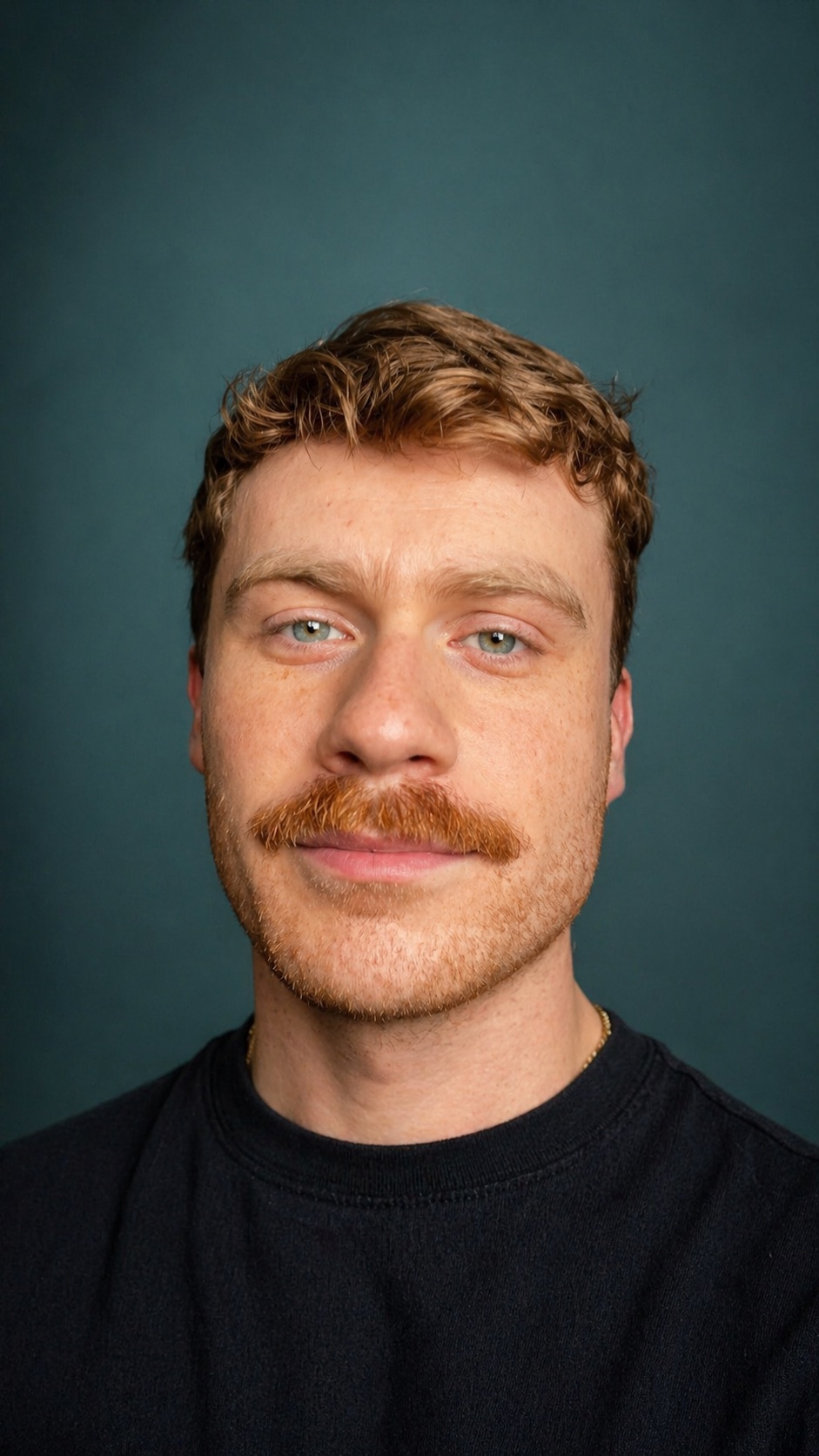
Glendale was built by someone who started out close to the work. First running heavy equipment, then relining municipal water and sewer mains — most of the lines still live while the crew worked around them. Later, as a marine engineer in the Royal Canadian Navy, he kept warships’ engineering systems running. A critical diagnostic and repair at sea on an Arctic deployment earned a commendation. Back in Alberta, he moved into the oilfield — cementing first, then nitrogen work across pipeline, processing, and downhole applications.
At one of those companies he pitched a marketing program and built the whole thing himself. Wrote it, filmed it, edited it. The heart of it was interviews: nearly the entire staff, operator to president, about an hour with each of them, cut down to a few minutes of finished video. The minutes were for the screen. The hours were people telling him, in their own words, where their day held up and where it fought them.
He kept hearing the same thing he'd seen in his own jobs, in every industry and every seat: the work itself was fine. The workflow around it wasn't. Paper tickets driven back to town. The same numbers typed into three systems. A quote sitting in a truck for a week. Jobs that lived in one person's head.
He'd built computers since he was a kid, and he knew what modern software could do for operations like these. So he built one system, end to end, for a single Alberta operation. The people who saw it started asking who'd built it.
That's how Glendale started.